Digital Politics
Can Blockchain Defeat Corruption in the Philippines?

Each year, billions of pesos flow through the machinery of government. These funds pass through agencies, offices, and projects before reaching their intended beneficiaries. Along the way, paperwork multiplies, approvals overlap, and visibility weakens. When public spending becomes difficult to trace, opportunities for misuse quietly emerge. Corruption, after all, thrives where accountability is fragmented and verification is complex.
Blockchain technology enters this conversation as a possible disruptor.
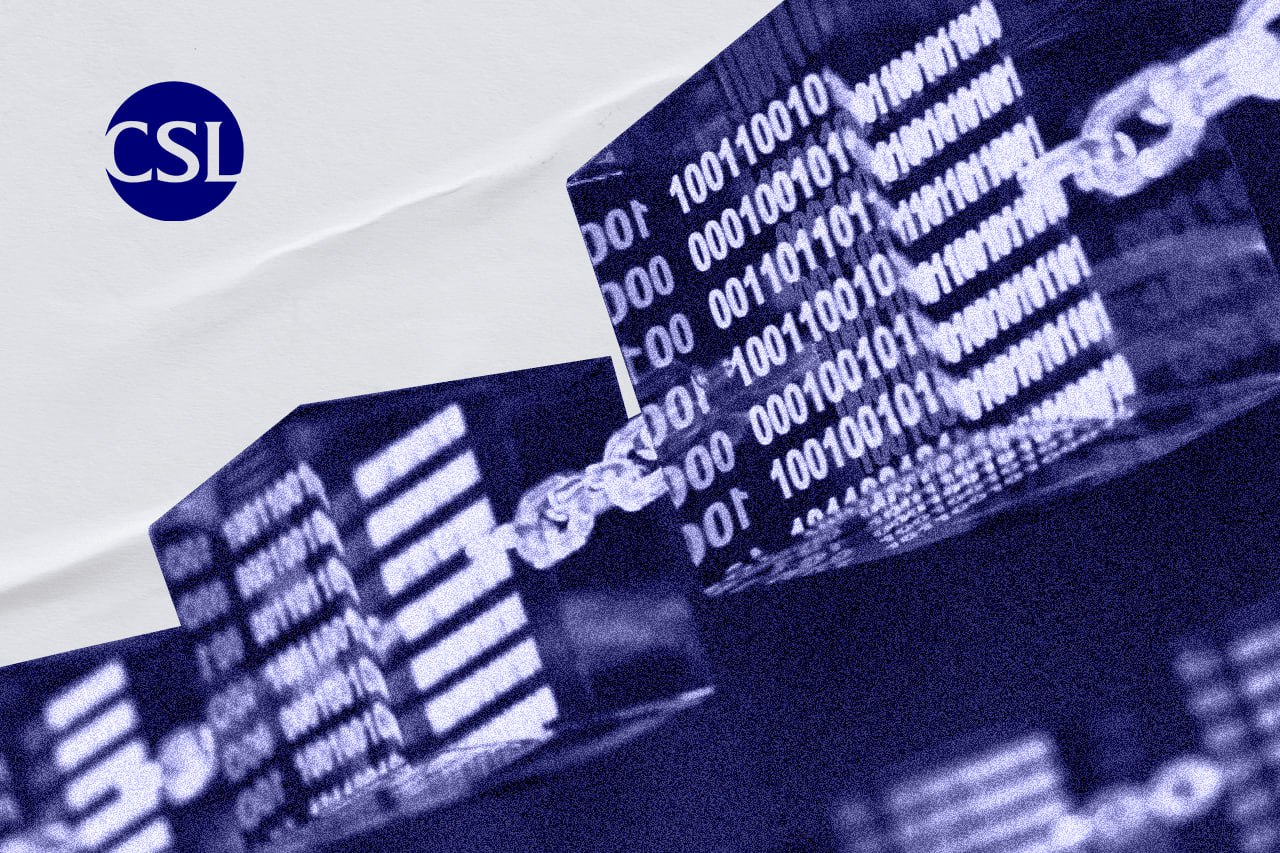
At its simplest, blockchain functions as a shared digital ledger. Once information is recorded, it cannot be altered without leaving a clear trail. Applied to public finance, this means every stage of government spending, from budget approval to project delivery, could be recorded permanently and viewed by anyone with access. In theory, every peso spent becomes visible, verifiable, and traceable in real time.
The idea is no longer theoretical. In September 2025, a proposed measure sought to institutionalize this approach through a national budget portal powered by blockchain technology. Under the proposal, key government agencies would be required to publish budget flows on a public ledger, allowing citizens to track funds down to specific projects and implementing offices. The promise is radical transparency. Not just published reports, but a living system where financial movements are open by default.
Some agencies have already taken early steps. Budget documents such as funding releases have begun appearing on blockchain based platforms. Infrastructure spending initiatives have experimented with digital audit trails designed to reduce manipulation and improve traceability. Meanwhile, technology leaders within the government acknowledge the potential of blockchain as an immutable record, while also cautioning that nationwide implementation demands serious investment, technical capacity, and institutional readiness.
This balance between promise and practicality is crucial. Blockchain is not a magic solution. It does not automatically eliminate corruption, nor does it replace the need for strong institutions, independent oversight, and political will. A transparent system still depends on accurate data inputs and disciplined compliance. Technology can expose anomalies, but it cannot enforce integrity on its own.
Still, the shift matters. Corruption often hides behind complexity. When transactions are buried across multiple systems, accountability becomes diffuse. A unified digital ledger simplifies oversight. It reduces discretion, limits retroactive alteration, and makes irregularities easier to spot. For citizens, it offers something rare in public finance: the ability to see how money moves without relying solely on official summaries.
The deeper question is not whether blockchain works as a technology. It already does in many sectors. The real issue is trust. Are institutions willing to surrender opacity in exchange for scrutiny? Are citizens prepared to engage with transparency beyond headlines? And can the government commit to maintaining a system that exposes both success and failure equally?
Blockchain alone cannot defeat corruption. But as a tool, it can narrow the space where corruption survives. In a country where public trust is often strained, that shift may be significant. The challenge ahead lies not in innovation, but in commitment.

.svg)

.svg)