Digital Politics
From Closed Doors to Center Stage: How Social Media Redefined Public Governance

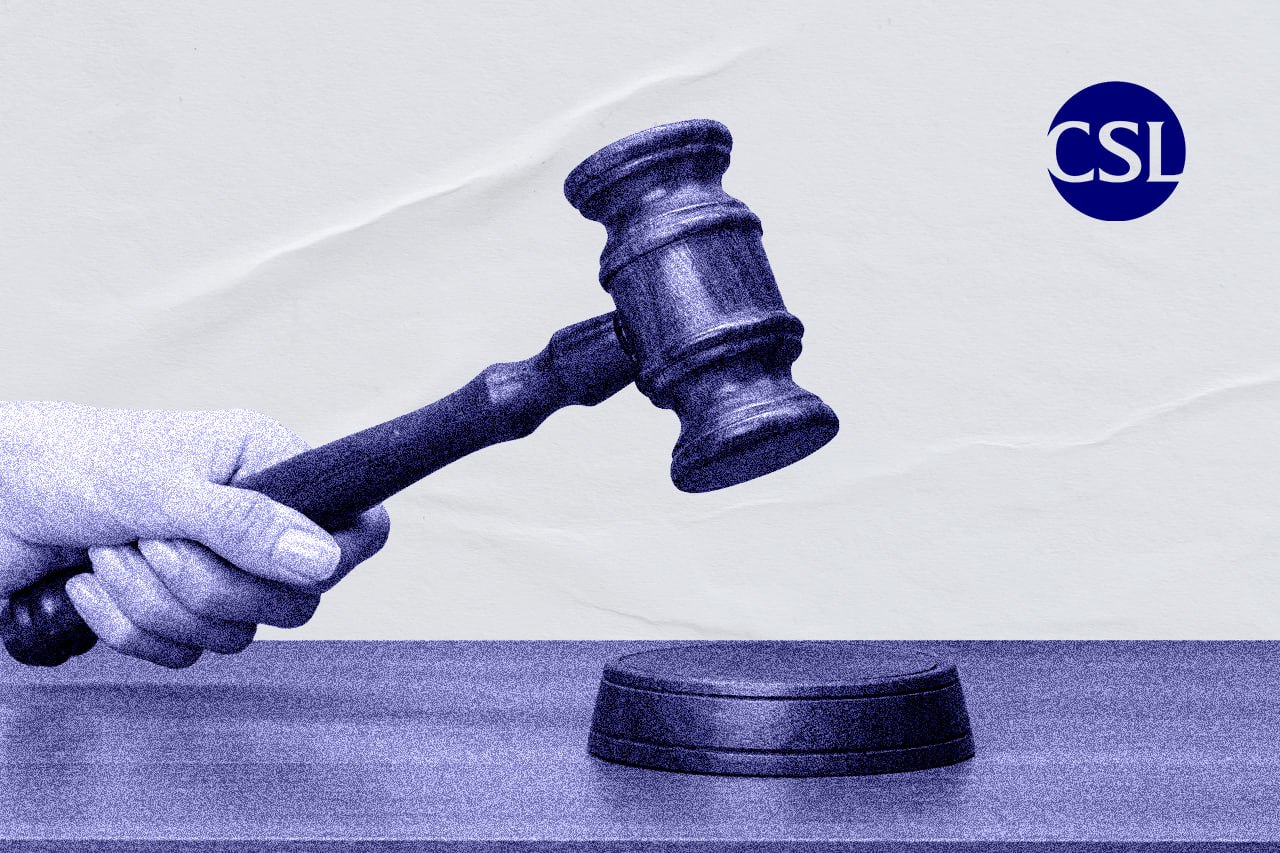
For much of the past, public governance felt distant from everyday life. Congressional inquiries and Senate hearings took place behind closed doors, accessible mainly to those inside the room or to viewers willing to wait for brief summaries on the evening news. By the time information reached the public, it had already been filtered, condensed, and framed by others. Governance existed at arm’s length, observed rather than experienced.
That distance has steadily vanished.
Today, social media places citizens directly inside the process of governance. Hearings are livestreamed in real time, unfolding on phones and laptops across the country. Statements are clipped and shared within minutes. Exchanges that once lived only in official records now circulate widely, discussed in comment sections, group chats, and public forums. Power, once hidden behind institutional formality, is now openly visible.
This shift has reshaped accountability. For public officials, words are no longer fleeting. Every remark is recorded, searchable, and easily replayed. Inconsistencies are quickly identified. Past statements resurface when they no longer align with present positions. Credibility, in this environment, is not defined by authority alone but by consistency and clarity under public scrutiny.
For citizens, this access offers more than information. It provides context. Viewers can observe tone, hesitation, and confidence, gaining insight into how leaders respond to pressure and questioning. Governance becomes human, revealing both competence and vulnerability. This direct exposure has the potential to deepen political understanding and encourage greater interest in public affairs.
However, visibility carries its own risks. When complex proceedings are reduced to short clips, nuance can be lost. Emotional moments often travel faster than substantive discussion. There is a danger that hearings become performance, consumed for entertainment rather than understood as part of a serious democratic process. Transparency, when treated superficially, can lose its meaning.
The challenge, then, is engagement. Access must move beyond passive watching. Citizens are called to listen critically, seek full context, and resist reducing governance to spectacle. True accountability requires sustained attention, thoughtful discussion, and a willingness to look beyond viral moments. Transparency matters only when the public uses it to ask questions and demand follow through.
Social media has brought governance to center stage, removing the barriers that once separated institutions from the people they serve. This transformation is irreversible. Its promise lies not merely in awareness, but in participation. When visibility leads to informed judgment and responsible civic action, democracy grows stronger. When it does not, it risks becoming noise. The task now is to ensure that this unprecedented access results in better leadership and a more engaged public, not just louder conversations.

.svg)
.svg)